Three Reasons To Identify Why Your Robot Vacuum Isn't Performing (And What You Can Do To Fix It)
The Rise of Self-Cleaning Robot Vacuums: A Comprehensive Guide
In the busy world these days, the demand for benefit and effectiveness is at an all-time high. Among the most considerable advancements in home cleaning innovation is the self-cleaning robot vacuum. These smart devices have revolutionized the method we maintain our homes, using a hands-free cleaning experience that is both efficient and effective. This post explores the world of self-cleaning robot vacuums, exploring their features, benefits, and how they can change your day-to-day cleaning routine.
What is a Self-Cleaning Robot Vacuum?
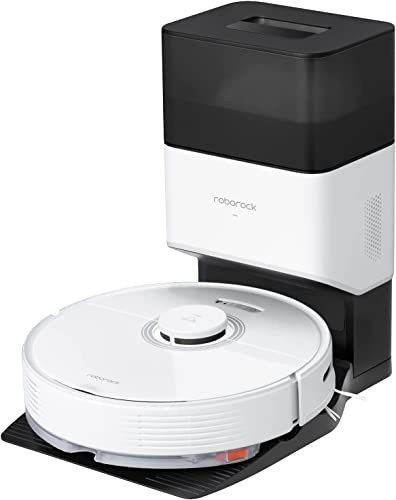
A self-cleaning robot vacuum is an automatic device developed to tidy floorings without human intervention. These robotics use innovative sensing units and algorithms to navigate around challenges, map the cleaning location, and go back to their charging dock when the battery is low. The crucial feature that sets self-cleaning robot vacuums apart from standard robot vacuums is their capability to clean themselves after each usage. This means that the dust, dirt, and particles collected during the cleaning process are immediately disposed of, getting rid of the requirement for manual emptying of the dustbin.
How Do Self-Cleaning Robot Vacuums Work?
Navigation and Mapping:
- Sensors and Cameras: Self-cleaning robot vacuums are geared up with a range of sensors, consisting of infrared, ultrasonic, and optical sensors, which assist them discover barriers and navigate around them.
- Mapping Technology: Many models utilize advanced mapping innovation, such as LiDAR (Light Detection and Ranging), to create a comprehensive map of the cleaning area. This allows the robot to prepare the most effective cleaning path and prevent formerly cleaned up areas.
Cleaning Mechanisms:
- Brushes and Suction: The robot utilizes a mix of brushes and powerful suction to get dirt, dust, and particles from the floor. Some designs have specialized brushes for various surface areas, such as carpets and hard floors.
- HEPA Filters: Many self-cleaning robot vacuums include HEPA filters to capture fine particles and irritants, making them perfect for households with pets or allergy victims.
Self-Cleaning Station:
- Dust Collection: After finishing a cleaning cycle, the robot go back to its charging dock, which functions as a self-cleaning station. The station has a larger dustbin or collection bag that can hold numerous weeks' worth of dirt.
- Automated Cleaning: The robot empties its dustbin into the station's collection bag, and some models even have a brush to clean up the robot's brushes and suction port, ensuring that the robot remains in optimum working condition.
Benefits of Self-Cleaning Robot Vacuums
Benefit:
- Hands-Free Cleaning: The main advantage of a self-cleaning robot vacuum is the convenience it provides. You can schedule cleaning sessions, and the robot will do the work while you concentrate on other tasks.
- Automatic Maintenance: The self-cleaning feature means you do not have to manually empty the dustbin or clean the robot's brushes, saving you time and effort.
Efficiency:
- Thorough Cleaning: Advanced mapping and navigation technology guarantee that the robot covers the whole cleaning location, leaving no area untouched.
- Energy Efficiency: Many self-cleaning robot vacuums are developed to be energy-efficient, utilizing less power than standard vacuum.
Health Benefits:
- Allergen Reduction: HEPA filters catch fine particles and irritants, improving indoor air quality and making the home a much healthier environment.
- Reduced Dust Exposure: Regular cleaning by the robot vacuum helps in reducing the accumulation of dust, which can activate allergies and respiratory problems.
Economical:
- Long-Term Savings: While the preliminary cost of a self-cleaning robot vacuum might be higher than a conventional vacuum, the long-term cost savings on cleaning products and labor make it a cost-efficient investment.
Popular Models and Features
iRobot Roomba s9+
- Features: Advanced mapping, automatic dirt disposal, Alexa and Google Assistant compatibility, and an effective cleaning system.
- Cost Range: ₤ 1,000 – ₤ 1,500
Ecovacs Deebot OZMO T8 AIVI
- Features: AI visual navigation, mopping and vacuuming in one, automatic cleaning station, and voice control.
- Rate Range: ₤ 700 – ₤ 900
Neato D7 Connected
- Features: Laser mapping, voice control, and a large cleaning capability.
- Cost Range: ₤ 600 – ₤ 800
Shark IQ Robot R10
- Functions: MultiMap navigation, automatic dirt disposal, and a powerful suction system.
- Cost Range: ₤ 800 – ₤ 1,000
FAQs
Q: How often should I clean the self-cleaning station?
- A: The self-cleaning station needs to be emptied and cleaned up according to the producer's directions. Generally, the collection bag needs to be cleared every couple of weeks, depending on the quantity of dirt gathered. The station itself should be cleaned occasionally to guarantee ideal performance.
Q: Can self-cleaning robot vacuums clean pet hair?
- A: Yes, numerous self-cleaning robot vacuums are particularly developed to handle pet hair. They frequently include specialized brushes and effective suction to efficiently get hair from carpets and tough floors.
Q: Are self-cleaning robot vacuums noisy?
- A: Most self-cleaning robot vacuums run at a moderate noise level, similar to a traditional vacuum. Nevertheless, some models provide quiet cleaning modes for usage throughout nighttime or when you need a quieter environment.
Q: Can I manage the robot vacuum with my smartphone?
- A: Yes, numerous self-cleaning robot vacuums feature buddy apps that enable you to control the robot, schedule cleaning sessions, and monitor its efficiency from your mobile phone.
Q: How do I establish a self-cleaning robot vacuum?
- A: Setting up a self-cleaning robot vacuum is normally straightforward. Many designs come with a user manual that guides you through the preliminary setup, consisting of connecting to Wi-Fi, adjusting the robot, and setting up the cleaning schedule.
Self-cleaning robot vacuums are a game-changer on the planet of home cleaning technology. They offer a hassle-free, efficient, and health-conscious option to maintaining a spick-and-span home. With good robotic vacuum cleaner of models and functions readily available, there is a self-cleaning robot vacuum to match every household's needs. Whether you're a busy expert, a pet owner, or somebody who values a tidy living environment, purchasing a self-cleaning robot vacuum can significantly improve your daily cleaning regimen.
By automating the cleaning procedure and reducing the requirement for manual upkeep, these smart devices are not simply a high-end but a practical investment for contemporary homes. As technology continues to advance, the capabilities of self-cleaning robot vacuums are most likely to expand, making them a much more important part of our every day lives.